The White House Initiative
174As Father’s Day approaches, NAHF welcomes the work of the Obama Administration in promoting the importance of fatherhood in the lives of children and families. The Fatherhood and Mentoring Initiative was launched last year and builds on the work already underway by the Administration for Children & Families and other federal agencies in promoting the role of fathers.
 Last month, President Obama encouraged faith-based and community organizations, along with fathers, mothers, and family-serving organizations, to join the Initiative.
To learn more about the President’s Initiative, visit http://www.fatherhood.gov/pledge (or http://www.fatherhood.gov/iniciativa for Spanish).
NAHF Research on Latino Fathers
Unfortunately, when compared with research on mothers, fathers in general are dramatically underrepresented in the psychological literature, according to a research review conducted for NAHF by Dr. Alicia La Hoz, director of Family Bridges in Chicago.
What it means to be a father in the U.S. has been changing dramatically over the last several decades. Fatherhood itself is a complex role influenced by many factors including personality characteristics, previous experiences, and culture. The research on fatherhood, although on the rise, continues to dwindle in comparison to that of mothers, and this is even more true of research on Latino fathers and their families, La Hoz says. Because of this gap in the research, few evidence-based parenting programs specifically target fathers; even fewer target Latino families. Of 70 evidence-based parenting curricula now in use, a Michigan State University study found that only one was purposefully designed for families within the Hispanic culture. Some of the programs had been translated into Spanish, although the change was limited to language and did not adjust the curriculum to be relevant to the Latino culture.
In order to best meet the needs of Latino families, La Hoz recommends that more research be undertaken on a large scale to inform culturally relevant programming.
Click here to read the full report.
National Latino Fatherhood and Family Institute
One successful fatherhood resource specifically designed for Hispanics is the National Latino Fatherhood and Family Institute which builds upon the cultural strengths and traditions of Latino men and boys, and offers a path for men of all ages to reach their potential. Since 1988, NLFFI has been addressing fatherhood issues. For more information, visit www.nlffi.org
 As we celebrate Mothers and the entire Hispanic family, NAHF leaders continue to be a resource to policymakers on issues affecting families and the Hispanic community.
 In late fall, a delegation of NAHF members met with George Sheldon, Acting Assistant Secretary of the Administration for Children and Families (ACF), to discuss the agency’s limited service to the Hispanic community. In follow-up dialogue, Mr. Sheldon requested suggestions for improving the agency’s work with Hispanics. The following eight recommendations were made by NAHF:
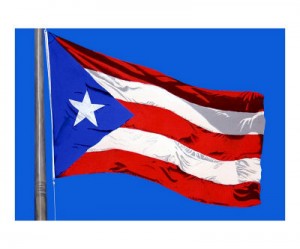 We, as leaders of NAHF, were inspired last week as we watched more than 150 individuals in Puerto Rico receive certificates after completing an extensive course on family strengthening.
 For years our family, like many of yours, has carried out traditions that honor our past and create a foundation for the future. Our Hispanic heritage is rich with holiday celebrations that strengthen our ties with family and friends.
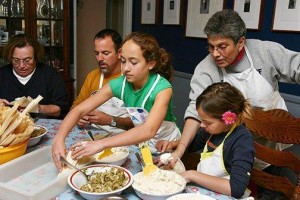 The posada is often followed by a children’s party, and of course the highlight is the breaking of a pinata brimming with treats and small gifts.
 Recently I received a letter from a woman who participated in an event co-sponsored by NAHF and Family Service Association. She attended our two-and-a-half-day training session in San Antonio and then applied for a Compassion Capital Fund grant to purchase computers for a high school diploma project she helps oversee. From her letter, she says:
 Given that teen pregnancy is at a crisis level among Latinas, the National Alliance for Hispanic Families has been proactive in its pursuit of educating decision makers about the need for funding to serve Hispanic teens. We have engaged our leaders from across the country, arranging meetings and presentations with White House officials and congressional offices. We’ve supported outreach of the OAH and other interested national organizations. Finally, we have addressed the concern that there are too few Latino-focused grant applications by working hand-in-hand with community orgnizations throughout the country to help them submit proposals for this round of OAH grants. When the grant awards were announced, we found very little evidence of our efforts: only two of 158 grantees are Hispanic focused organizations with a demonstrated history of serving Hispanic communities.